 Request a callback
 Call us now 01902 504 411

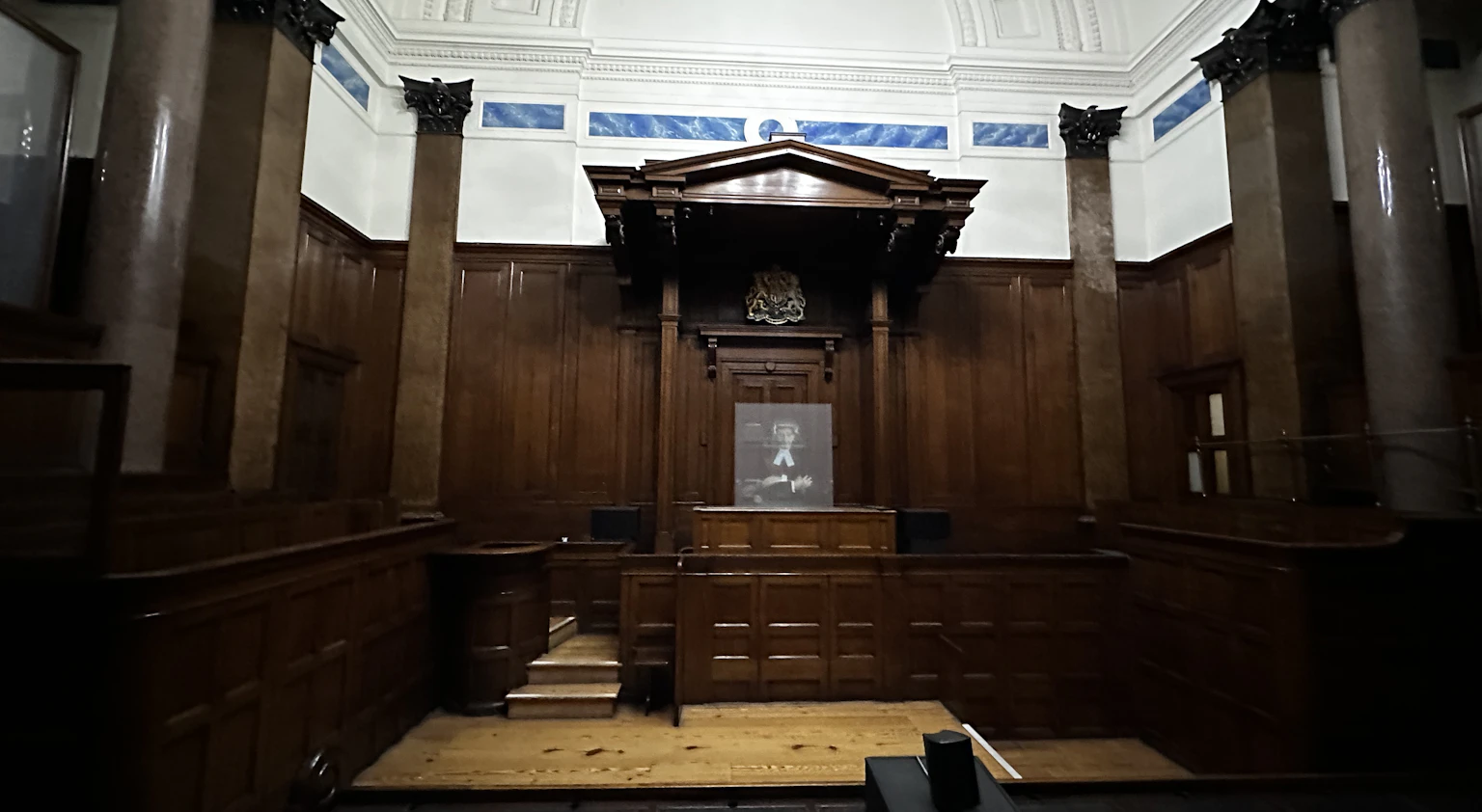
Director disqualification can occur in two ways – a Disqualification Undertaking, or by Court Order. Both prevent an individual from acting in the formation, promotion or management of a company for a set period of time (2 to 15 years), and both carry identical legal consequences once in force. The route taken, however, can significantly affect costs, timing, and the reputational impact on the director.
The question that often arises, therefore, is which path a director should pursue when faced with the prospect of disqualification. This article does not intend to provide a comprehensive view of either, but rather a brief snapshot highlighting the strengths and weaknesses of both options available to a director who finds themselves in this extremely difficult position.
The difference lies in how the disqualification is imposed:
Disqualification Undertaking – a voluntary, binding agreement offered to the Secretary of State (the Secretary of State for Business and Trade at the time of this article) in which a company director agrees to be disqualified for a set period of time to avoid court action and proceedings being issued against him. It has the same legal force as a court-ordered disqualification.
Disqualification Order – imposed by a court after formal disqualification proceedings have been issued and the evidence tested before a judge.
Disqualification Undertaking – Quick Resolution and Certainty
A Disqualification Undertaking is a voluntary promise by a director to accept disqualification without contesting the allegations at trial before a judge. It is usually offered after the Insolvency Service issues a Section 16 letter to the director.
Strengths
- Avoids court proceedings. Accepting an undertaking stops the case from going to trial, saving substantial time, litigation stress and legal expense.
- Reduced publicity and reputational damage.
- Provides certainty and closure to the director.
- Faster resolution – useful for directors who want to move on or avoid prolonged uncertainty.
- Can result in a shorter period of disqualification, as the Insolvency Service encourages cooperation and, where possible, early resolution of matters.
- Lower legal costs, as directors can save the substantial costs of defending a court claim.
Weaknesses
- It could be perceived as an admission of misconduct and, therefore, potentially used as evidence in other proceedings. For example, a liquidator may cite the undertaking as evidence of misconduct in furtherance of his own separate claims against the director.
- By accepting an undertaking, the director foregoes the opportunity to present a defence at trial. In some cases, a well-prepared defence could have resulted in a shorter ban, or even no disqualification at all.
- Once an undertaking is signed, it is extremely difficult to challenge later. The undertaking also becomes a permanent record of the Insolvency Service’s findings of the director’s misconduct.
- A breach of the undertaking is a criminal offence that can lead to imprisonment for up to two years, a fine, or both.
- Undertakings are published on the public Register of Disqualified Directors, resulting in long-term and potentially lasting damage to a director’s professional reputation and future career prospects.
Court-Ordered Disqualification – High Risk, Uncertainty and Expense
A Disqualification Order is imposed by a judge after formal proceedings have been issued pursuant to the Company Directors Disqualification Act 1986 (‘CDDA 1986’).
Strengths
- The Insolvency Service must prove its case at trial to obtain a Disqualification Order, whereas an undertaking requires you to admit to specific acts of misconduct.
- The director has an opportunity to defend himself, contest the allegations, present evidence and potentially avoid disqualification entirely.
- It is a transparent and independent process in which a judge oversees the trial and reaches a determination after reflecting on the evidence presented by the parties.
- When a determination has been made, the judge must give a formal and detailed judgment clarifying how and why he has reached that conclusion.
- You can apply to the court for permission to act as a director even while disqualified – though this is also available after giving undertakings.
Weaknesses
- High legal costs. Defending a disqualification claim is both expensive and time-consuming.
- Public hearings increase reputational exposure.
- Stress and uncertainty. Litigation and court proceedings can take many months or years before a determination is made, prolonging a director’s exposure and causing business disruption.
- Risk of a longer disqualification ban. If the court finds serious misconduct, the period of disqualification it imposes may be longer than the undertaking the Insolvency Service was offering.
- Costs orders. If the director is unsuccessful at trial, they are highly likely to be ordered to pay the Secretary of State’s legal costs as well as their own. These costs could be substantial.
When Does Each Option Make Sense?
When an undertaking is usually better
- The evidence of misconduct is strong.
- The director wants to avoid legal costs and publicity.
- The director prefers a shorter ban and a quick resolution.
- The director wants to minimise disruption to their career or business.
When a court order might be worth fighting
- The director strongly disputes the allegations.
- The consequences of disqualification would be severe (for example, regulated professions).
- The director believes that the Insolvency Service has misinterpreted his conduct.
- The director wants a judge to assess the evidence independently.
Conclusion
Both mechanisms lead to the same legal restrictions, but the path to disqualification differs dramatically. Undertakings prioritise efficiency and damage control, whereas Court Orders prioritise fairness and the director’s right to defend himself when allegations are disputed or reputational clarity is essential. The ‘best route’ depends on the strength of the evidence, the director’s appetite for risk, and the strategic value of fighting the case.
If you have any questions arising from this article – or you have received a Section 16 notice and need to weigh an undertaking against contesting proceedings – please do not hesitate to contact Gulshan Kumar at D&N Solicitors for a confidential, no-obligation discussion, or contact our team directly.
Frequently Asked Questions
What is the difference between a disqualification undertaking and a court order?
Both ban you from acting in the management of a company for 2 to 15 years and have identical legal effect once in force. The difference is how the ban is imposed. A disqualification undertaking is a voluntary, binding agreement you offer to the Secretary of State to avoid court proceedings, usually after a Section 16 letter. A disqualification order is imposed by a judge after formal proceedings have been issued and the evidence tested at trial.
Is it better to give an undertaking or fight it in court?
There is no single answer – it depends on the strength of the evidence, your appetite for risk, and how much cost and publicity you can tolerate. An undertaking is faster, cheaper, more private and can result in a shorter ban, but it forecloses any defence. Contesting proceedings preserves the chance to defend the allegations and potentially avoid disqualification altogether, but carries higher costs, public exposure and the risk of a longer ban plus a costs order if you lose. Specialist advice on your specific allegations is essential before deciding.
Can I still work as a director if I give a disqualification undertaking?
Potentially. You can apply to the court for permission to act as a director even while disqualified – and this route is available whether your disqualification arose from an undertaking or a court order. Permission is granted at the court’s discretion and usually on conditions, so early specialist advice is important.